
new here?
Start Here: Your Guide to MTF Surgery
Hormones do a great deal, and surgery takes you the rest of the way. This guide walks you through each operation, who it suits, how to prepare for it and how people decide what comes first.
start here →




clinic guide
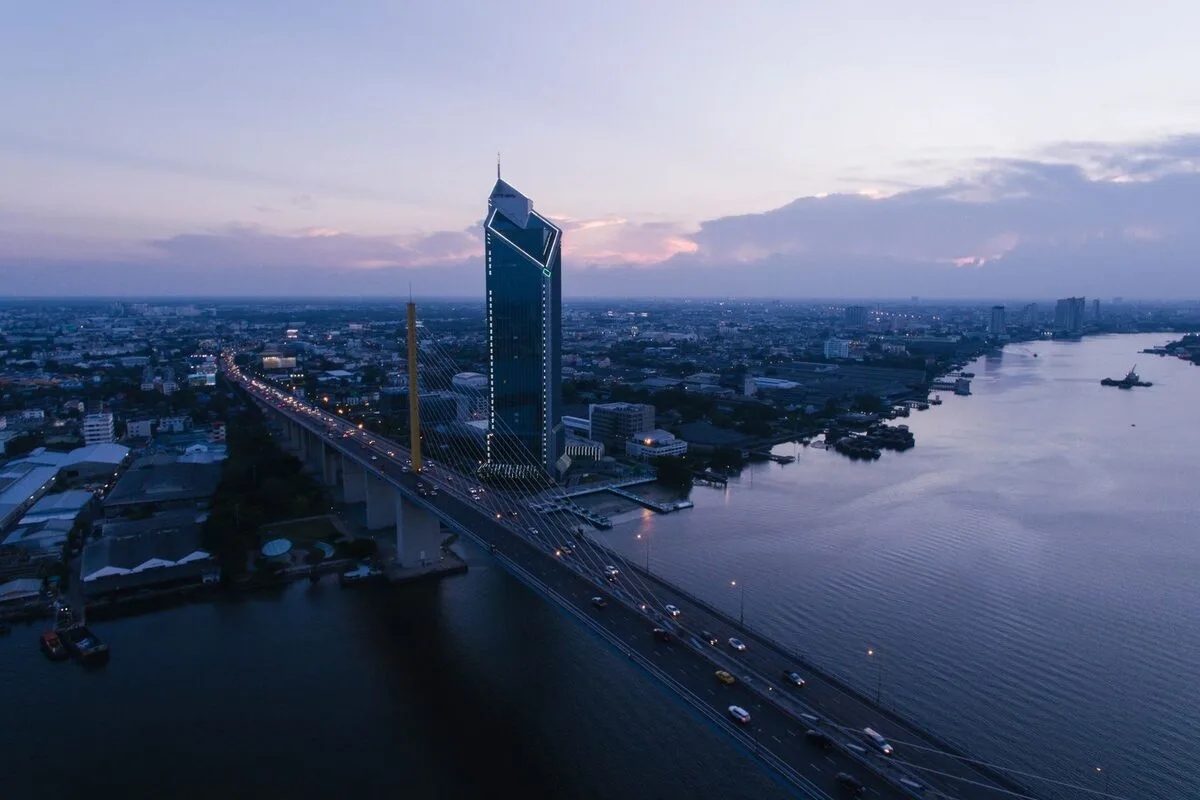
The Best MTF Surgery Clinics in Thailand
Choosing who to trust with your surgery, thousands of miles from home, is one of the biggest calls you will make. These are the Bangkok clinics I would send a friend to, ranked, with who operates, what they do and how to get a quote before you fly.
see the list →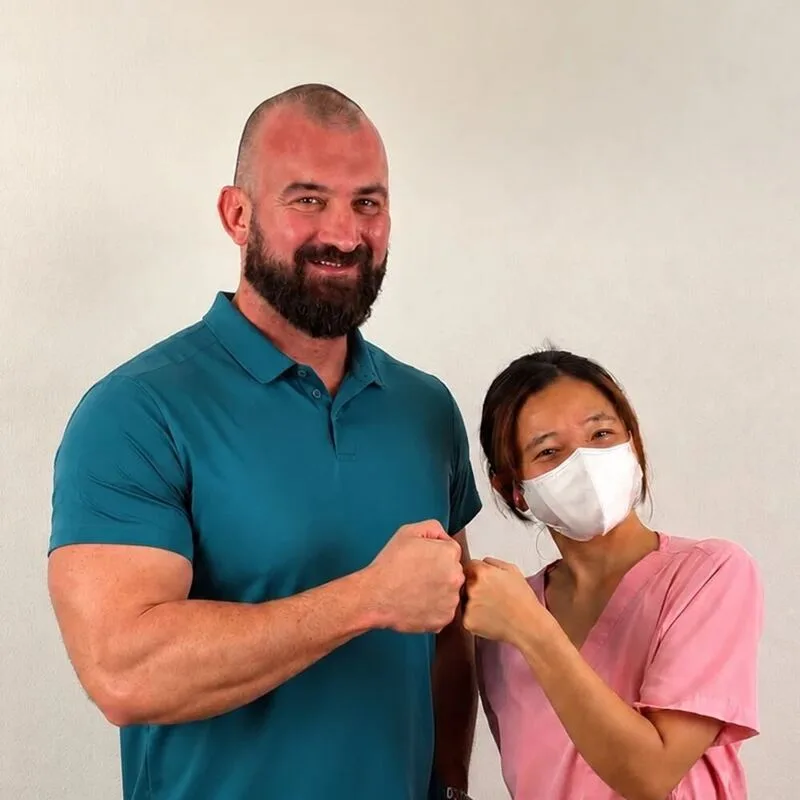
hi, I’m Nick — Welcome!
Nick Peplow
the short version
What Is MTF Surgery?
MTF surgery (male-to-female surgery) is a group of gender-affirming procedures that bring a transgender woman’s body into line with her gender. It covers genital surgery (vaginoplasty, or orchiectomy on its own), breast augmentation, facial feminisation surgery, body feminisation such as liposuction and fat grafting, and voice surgery.
Nobody has all of it. Most trans women start with hormones, and oestrogen does a lot of the work on its own over the first few years. Facial feminisation and breast augmentation often come before genital surgery, partly because they change day-to-day life sooner and partly because vaginoplasty usually has more requirements attached: letters of support, a period on hormones and, at many clinics, hair removal beforehand.
I built this site to give you the straight answers I couldn’t find in one place: who each procedure is for, how it’s done, what recovery is really like and what it typically costs. Plain words, no sales pitch. It is information to take into a consultation, not medical advice, and the decisions stay with you and your surgeon.
read more →What are you trying to figure out?
popular searches:
A great deal, over a couple of years. Skin, fat distribution and breast tissue all respond, and the changes keep building over years rather than months. Bone is where surgery takes over: a brow ridge, a jaw or an Adam's apple is shaped by facial feminisation rather than oestrogen. I would give hormones a good two years so you can see clearly what you want surgery to do. Start Here sets out what falls on each side of that line.
There is no clinical order, so start with whichever will make the biggest difference to your day-to-day life. Facial feminisation changes how you are seen at every till and every meeting and heals in weeks; vaginoplasty has the longer recovery and needs more planning around the date. Many people do their face first: genital surgery is the procedure funders are most likely to pay for, so you can get on with the rest while you wait for it.
Whatever tissue ends up lining a canal has to be cleared for good beforehand, and clearing it means electrolysis or laser in repeated sessions with weeks of healing between them. For many people that is most of a year, usually self-funded. Finish it before your date and everything else falls into place, which is why starting early is the single best way to keep a vaginoplasty on schedule.
Yes. Dilation is how you keep the depth your surgeon creates: several times a day at first, settling into a weekly habit that becomes routine. Keep it up and the depth stays; let it lapse for long and depth can be lost, and getting it back usually means more surgery. There is also a version without it. Vulvoplasty, sometimes called zero-depth, builds the same outside without the canal, and it rules out only penetration, which suits plenty of people perfectly. Both are on the bottom surgery hub.
Yes, and plenty of people are happy to stop there. It is a small operation next to anything else on this site, usually a day case with a fortnight of taking it easy, and it ends testosterone production so the anti-androgen normally goes and the oestrogen dose often comes down. It is permanent for fertility, so sperm storage has to be arranged first. Say at the consultation that vaginoplasty might follow, because how much scrotal skin the surgeon leaves behind matters years later. See bottom surgery.
Pitch, fairly reliably, by shortening or tightening the vocal folds, and the change is permanent. Resonance and the patterns of how you speak come from voice therapy, so the best results come from pairing the two: therapy first, surgery, then therapy again. Some range and volume are usually given up, so if you sing, raise it at the consultation. Voice surgery goes through the options and who each one suits.
Facial Feminization
Reshaping the bones and soft tissue of the face. Usually several procedures in one operation, quoted and recovered from as a bundle.
See all facial feminisation guides →
Breast Augmentation
Implants, fat grafting or both, to build on what oestrogen started. Usually after a year or more on hormones.
See all breast augmentation guides →
Bottom Surgery
Two groups of operations. Orchiectomy, which removes, and the reconstructions that build a vulva, with or without a vaginal canal.
See all bottom surgery guides →
Body Feminization
Reshaping the waist, hips and buttocks toward a curvier line. Oestrogen starts the change over years; surgery refines the shape it leaves.
See all body feminisation guides →
Voice Surgery
Surgery raises your pitch for good, and paired with voice therapy it helps you speak in a voice that feels like yours.
See all voice surgery guides →